
Precision Medicine Transformed Oncology —It’s Time to Do the Same for Sepsis
It’s time we reignite treatment development for sepsis and other immune-mediated conditions that strike when patients are most vulnerable.
It’s time we reignite treatment development for sepsis and other immune-mediated conditions that strike when patients are most vulnerable.

Before policymakers, employers, insurers, or taxpayers commit ever-larger sums to the system, an uncomfortable question deserves attention: How much additional capacity does healthcare actually need and what measurable outcomes should society expect in return?

Healthcare decision-makers, especially at pharmaceutical companies, must prioritize patient input. Data collected from social media listening is a significant step in the right direction.

London-based GHO Capital and Singapore-based CBC Group plan to merge in a deal that would create what the firms describe as the “world’s largest dedicated healthcare investment firm.” GHO has $10.5 billion assets under management, and CBC has $10.8 billion in assets under management.

Fountain Health Partners announced its launch, with plans to back companies approaching or already at profitability, with a clear three- to five-year path to a strategic exit. The investment firm was founded by Joey Campanelli, a former executive at Shields Health Solutions, and Jack Euston, a healthcare investment banker with more than a decade of experience in M&A.

While AI makes VC faster, it’s not necessarily wiser. In healthcare, where breakthroughs rarely resemble anything the market has seen before, that distinction is everything.

Rachel Springate, general partner at Muse Capital, said the next wave of healthcare startups will be driven by consumer demand — but pure direct-to-consumer models rarely work. Companies like Midi Health, Mavida Health and Mahmee are showing a different path: starting with patients, collecting outcomes data, and integrating with clinicians, payers and the broader healthcare system.


By reducing administrative burden and redesigning workflows around human needs, it creates space for what matters most: connection between clinicians and patients.

Katie Jacobs Stanton, founder of Moxxie Ventures, shared some details of how she and her team evaluate healthcare AI startups. She stressed the need for founders with deep industry expertise, differentiated products and realistic distribution strategies.

Speed still matters, but there’s been a shift in the industry. It’s not enough to be scientifically sound. Now, practicality is of utmost importance.

Town Hall Ventures launched its fourth fund, targeting $440 million to back startups using AI to improve healthcare access and outcomes for underserved populations.
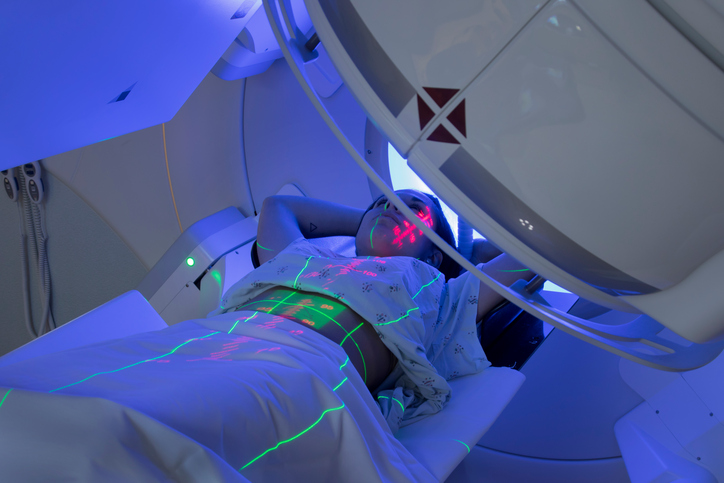
Radiotherapy, China's biotech surge and AI's role in drug discovery are notable topics that emerged from conversations on the ground floor.


Healthcare payments are no longer about transactions. It’s about controlling the revenue cycle. And increasingly, that control is not sitting with ISOs.

Redesign Health closed a $175 million investment round that will fuel the creation of more healthcare startups. The company has already created more than 60 startups since its launch in 2018.


Canada has a proud history of achievement in the areas of science and technology, and the field of biomanufacturing and life sciences is no exception.

Health Net is making a $46 million investment that will be spread out across 26 counties in California, and will support Continuum of Care programs, which are regional or local planning bodies that help those experiencing homelessness find housing and other services.

Healthcare IT companies experienced a bounceback in venture capital deal activity during Q1 of 2023. Rebecca Springer, PitchBook ’s lead healthcare analyst, said she is optimistic that healthcare IT startups will be able to keep this momentum going, especially those focused on staffing and value-based care enablement.

L.A. Care Health Plan and Health Net’s commitment will help secure up to 1,900 housing units in the private rental market and fund field assessments to find those who need assistance with Activities of Daily Living (such as feeding and personal hygiene). It will also help pay for vacancy coverage, damage repair, trash services, greenspace, maintenance and pest control.